Under the background of "Dual Carbon" goals, container energy storage systems have become a hot topic in the field of energy storage due to their integrated and modular characteristics.
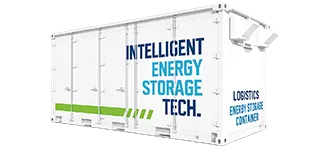
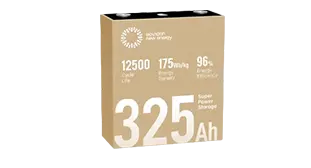
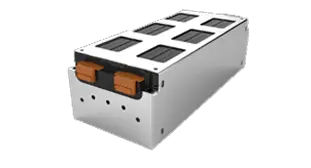
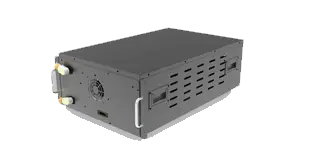
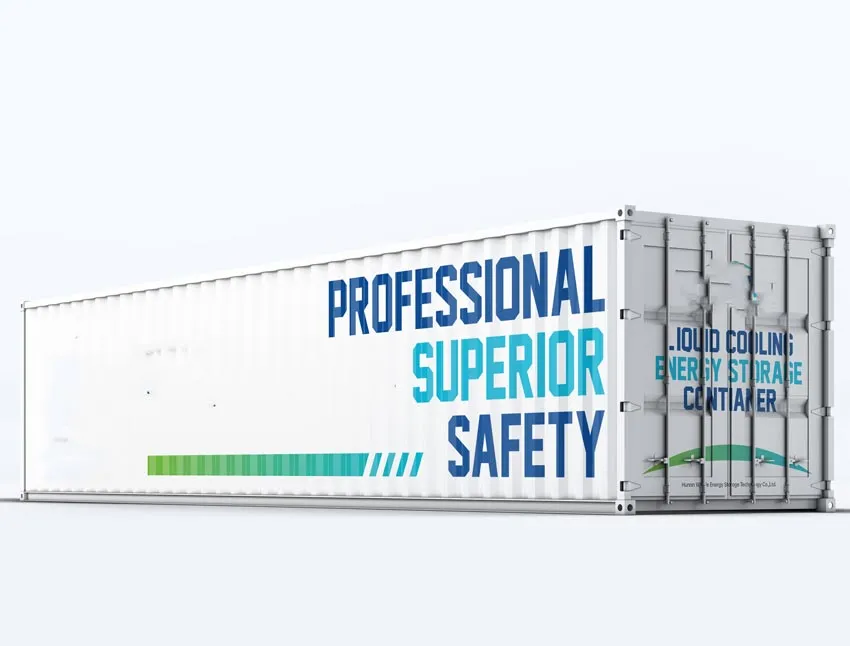
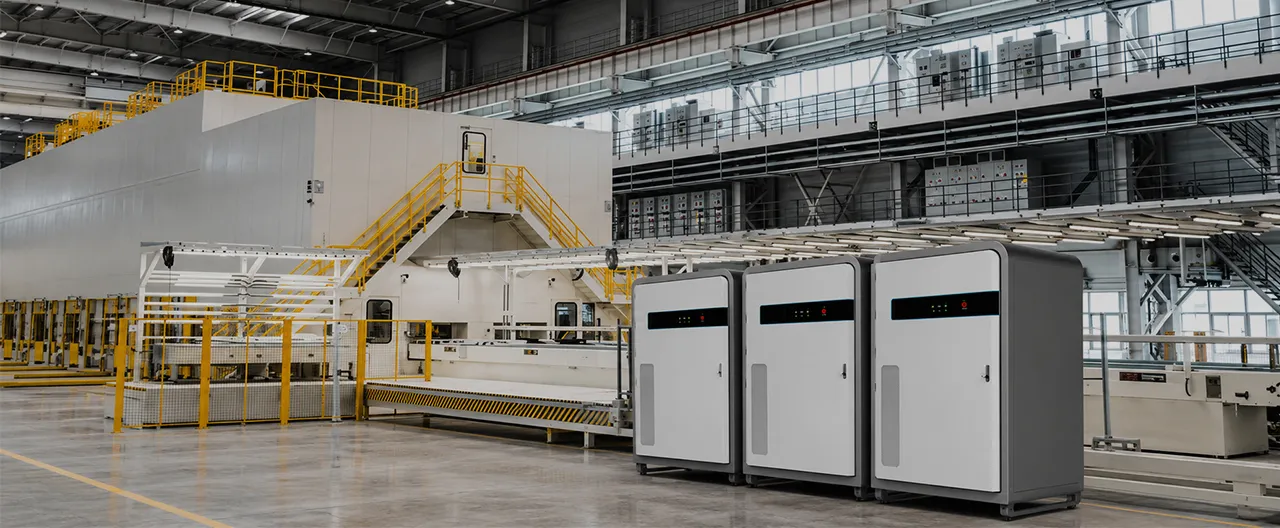
A container energy storage system is an integrated energy storage solution. It integrates key components such as battery packs, Battery Management System (BMS), Power Conversion System (PCS), and Energy Management System (EMS) inside a standardized container, forming a plug-and-play energy storage unit.
The working principle of a container energy storage system is similar to a large power bank, converting DC to AC through an inverter to meet the power demand of the load. When the power grid is tight, the storage battery can provide stable power for the load; when the power grid is sufficient, the storage battery can store excess power and release it during peak demand periods, effectively alleviating grid pressure.
Container energy storage systems are commonly used in scenarios such as energy storage on the side of renewable energy sources, grid-side energy storage, as well as large off-grid and microgrid energy storage power stations.
Energy Charging: During periods of low energy demand or high renewable generation (e.g., sunny or windy days), the system draws electricity from the grid or directly from renewable sources like solar farms or wind turbines.
Power Conversion: The AC power from the grid or the variable DC power from renewables is fed into the containerized power system's Power Conversion System (PCS). The PCS rectifies this power to a stable DC voltage suitable for charging the batteries.
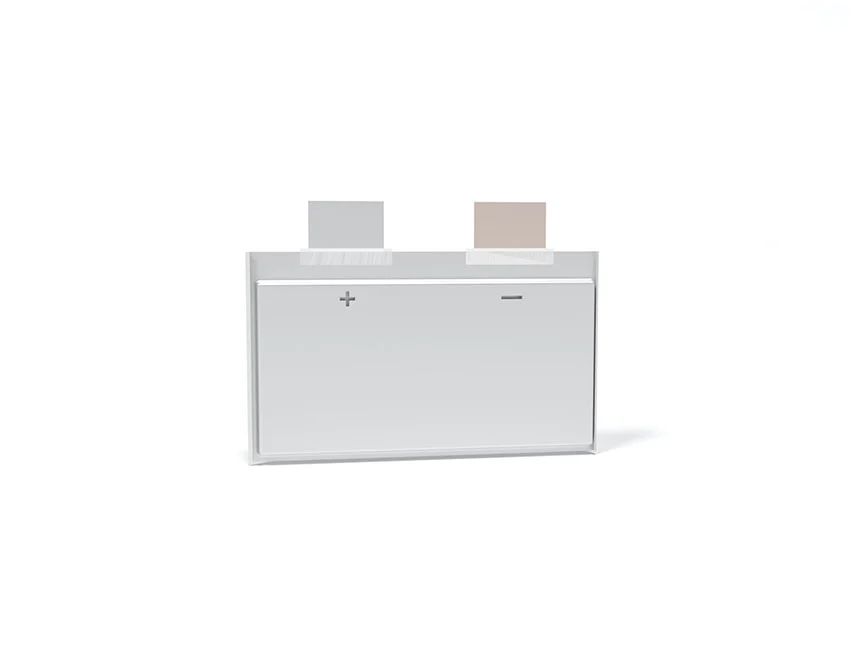
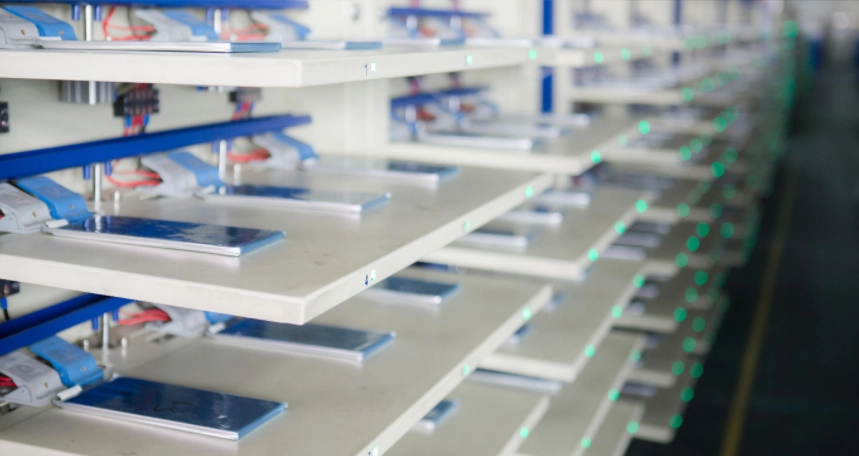
Energy Storage: The DC electricity is stored in the high-capacity battery cells within the energy storage container. A sophisticated Battery Management System (BMS) meticulously monitors and manages each cell to ensure safety, efficiency, and longevity.
Energy Discharging: When energy demand is high, or renewable generation is low, the process reverses. The BMS and PCS work in tandem to invert the stored DC power back into AC power, which is then fed into the grid or used on-site to power facilities.
The versatility of the container energy storage system allows it to serve a wide range of applications across different sectors:
Grid Support and Peak Shaving: Utilities use containerised battery storage to stabilize the grid, reduce congestion, and provide power during peak demand periods, avoiding the need to activate expensive "peaker" plants.
Renewable Energy Integration: For solar and wind farms, a containerized battery energy storage system is indispensable. It smooths out the intermittent nature of renewables, stores excess energy, and delivers a stable, dispatchable power supply.
Commercial & Industrial (C&I) Use: Factories and large businesses use these systems to reduce their electricity bills by drawing on stored power during high-tariff periods and providing backup power during outages.
Remote and Off-Grid Power: In mining operations or isolated communities, containerized power systems can be combined with diesel generators or renewables to create a reliable microgrid, reducing fuel consumption and emissions.
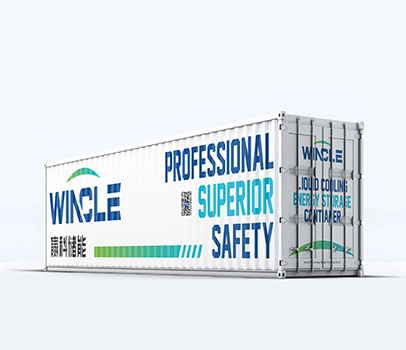
Selecting the correct capacity for your container battery energy storage project is crucial for its economic and operational success. Here’s a guide to help you decide, inspired by industry best practices.
Analyze Your Energy Profile: The first step is to understand your load. How much energy do you consume (in kWh) over a 24-hour period? When are your peak consumption hours? This data will help determine the energy capacity (kWh) you need.
Define Your Primary Application: Your goal dictates the system's specifications.
For Peak Shaving: Your container ESS needs sufficient power (kW) to cover your peak demand and enough energy (kWh) to sustain that output for several hours.
For Renewable Firming: The system's capacity must be sized to absorb the maximum surplus generation from your solar or wind farm and discharge it over the required period.
For Backup Power: Calculate the total critical load (kW) you need to support and the required duration (hours) to determine the necessary energy (kWh) capacity.
Consider Future Expansion: One of the biggest advantages of a containerized energy storage system is modularity. If your budget is limited, you can start with a system that meets your immediate needs with a clear plan to add more container energy storage units later.
1. Cost Reduction
Integrated energy storage system that is easy to install, operate, and maintain.
Large module design, 50% more efficient than traditional energy solutions.
2. Safety
Multiple balancing measures ensure the consistency of the battery lifecycle.
System integrates gas and water fire suppression to ensure safety in extreme conditions.
3. Efficiency Improvement
The containerised battery storage system is designed based on a 1500V platform, achieving a DC side efficiency of up to 93%.
4. Intelligence
Multi-dimensional battery state analysis allows quick fault localization in the system.
Real-time cloud monitoring requires no on-site personnel.
5. Durability
The container energy storage system has a robust structure, high durability, and ensures long-term performance in various environments.
Soundon New Energy's container energy storage system adds battery storage to applications such as solar energy, electric vehicle charging, wind energy, and other renewable energy sources.
Soundon New Energy's container energy storage system can also create significant value and flexibility for users by utilizing stored energy during peak periods.