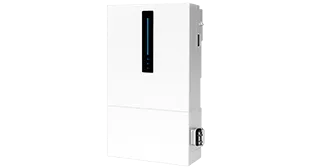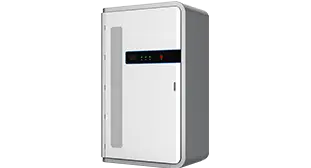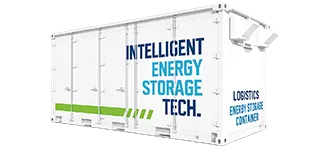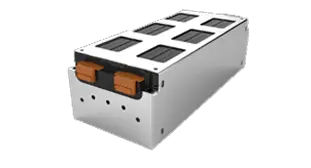
In recent years, the evolution and application of battery technology have revolutionized both the transportation and energy sectors. As pioneers in this domain, Soundon New Energy remains at the forefront, offering innovative solutions designed to meet today's energy needs. Within the battery technology landscape, Electric Vehicle (EV) batteries and Energy Storage System (ESS) batteries hold paramount importance. While they share some similarities, their applications and specifications set them apart. In this blog post, we will delve into the differences between EV batteries and ESS batteries, shedding light on different ess modules, residential ess, container ess, and the broader battery energy storage system bess landscape.
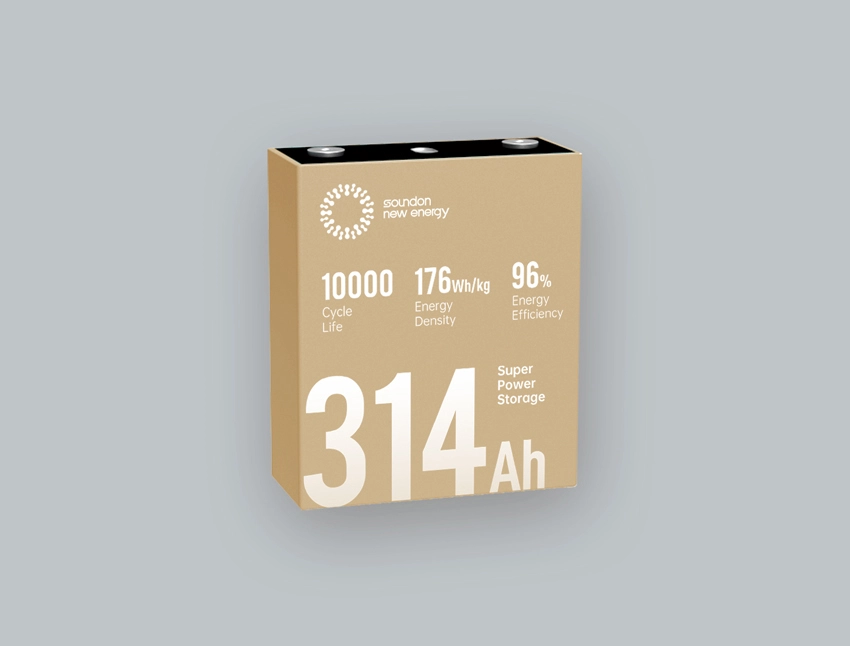
EV batteries are engineered explicitly for electric vehicles. Their primary role is to provide power for transportation. These batteries must be lightweight, compact, and capable of delivering high power output to propel vehicles efficiently. Performance metrics such as acceleration, speed, and range are heavily reliant on the efficacy of EV batteries. For cell-level sourcing, an electric vehicle battery cell should be evaluated for energy density, discharge capability, cycle life, thermal stability, and compatibility with the intended battery pack.
On the other hand, ESS batteries are designed for energy storage and management outside the transportation sector. These batteries are integral components of various energy storage systems, including residential ess and container ess solutions. ESS battery systems are primarily used to store energy generated from renewable sources like solar and wind power, ensuring a stable and reliable supply. Their goal is to provide energy storage, grid support, and backup power rather than mobility.
The design of EV batteries centers around optimizing power density and minimizing weight. They are usually composed of lithium-ion cells arranged in a compact and efficient manner. The configuration aims to maximize the driving range while minimizing the space occupied within the vehicle. Temperature management systems are integrated to prevent overheating and ensure safety during operation.
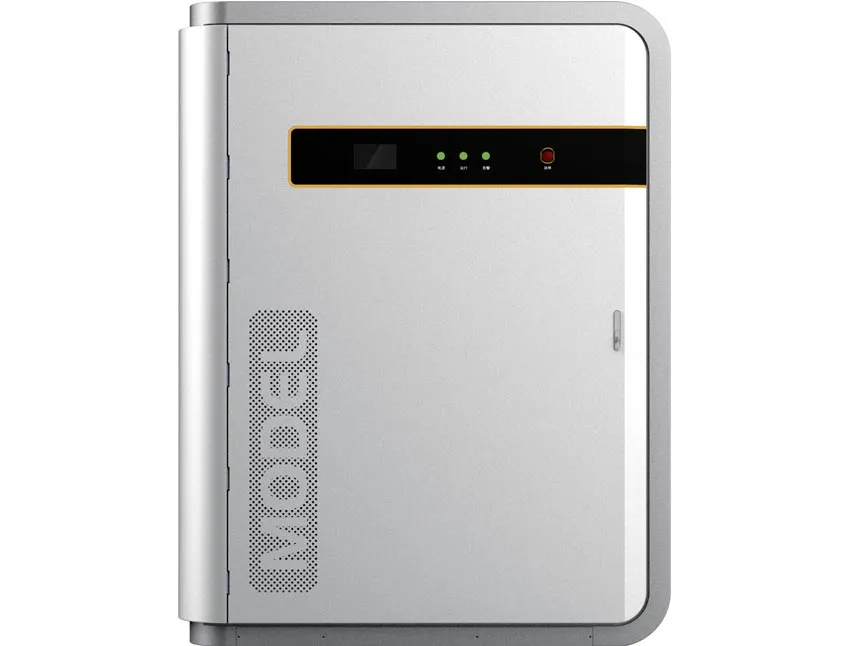
Contrarily, ESS module prioritize energy density and longevity over compact design. For instance, the residential ess often comprises larger battery banks installed in homes to store energy for daily use. Container ess configurations, another aspect of ESS solutions, are generally larger and used for industrial or commercial applications. They provide ongoing energy supply and stability to the grid or isolated systems. Unlike EV batteries, weight is not a critical factor for ESS batteries, allowing them to leverage higher-capacity cells without stringent size constraints.
The lifecycle of EV batteries is determined by the number of charge-discharge cycles they can undergo before significant degradation. EV batteries need to be robust and capable of withstanding frequent and rapid charging cycles, given that electric vehicles require quick and efficient recharges. The performance and longevity of these batteries are vital, as they directly affect the vehicle's overall performance and user satisfaction.
ESS batteries, managed under the battery energy storage system bess protocols, often have a longer lifecycle compared to EV batteries. Since they are designed to handle a different type of load and charge-discharge cycles, ESS batteries focus on sustained performance over time. These batteries can be cycled less frequently and charged more steadily, allowing for less aggressive wear and tear. Additionally, maintenance protocols for ESS battery systems, especially in larger installations like container ess applications, are typically more straightforward, geared towards ensuring long-term reliability rather than immediate performance metrics.
To summarize, while EV batteries and ESS batteries share a common goal of utilizing stored electrical energy, their designs, applications, and performance metrics are uniquely tailored to their specific roles. EV batteries focus on providing power for transportation with a strong emphasis on energy density, weight, and rapid charge cycles. In contrast, ESS batteries, particularly ess modules featuring residential ess and container ess solutions, are dedicated to energy storage and management, prioritizing energy density, longevity, and reliability over quick-charge capabilities.
Soundon New Energy continues to innovate within this space, offering cutting-edge solutions encompassing both EV and ESS battery technologies. Whether you're looking to power your electric vehicle or manage your energy consumption more efficiently through residential or containerized ESS modules, understanding these differences is crucial in making informed decisions for a sustainable energy future.
If you have any further queries or are interested in exploring our range of ESS battery systems, feel free to get in touch with us at Soundon New Energy. Together, we can pave the way for a greener, more sustainable future.